Are you tired of nagging your kids to clean their room or remember their homework? Teaching your children to be organized can benefit them throughout their lives, from improved academic performance to enhanced productivity and reduced stress. As a parent, you play a significant role in helping your kids develop essential organizational skills. Here’s a step-by-step guide to get you started:
1. Model Organized Behavior
Kids learn by observing, so make sure you’re modeling organized behavior yourself. Share your own organizational systems and routines with your kids, and explain why they work for you.
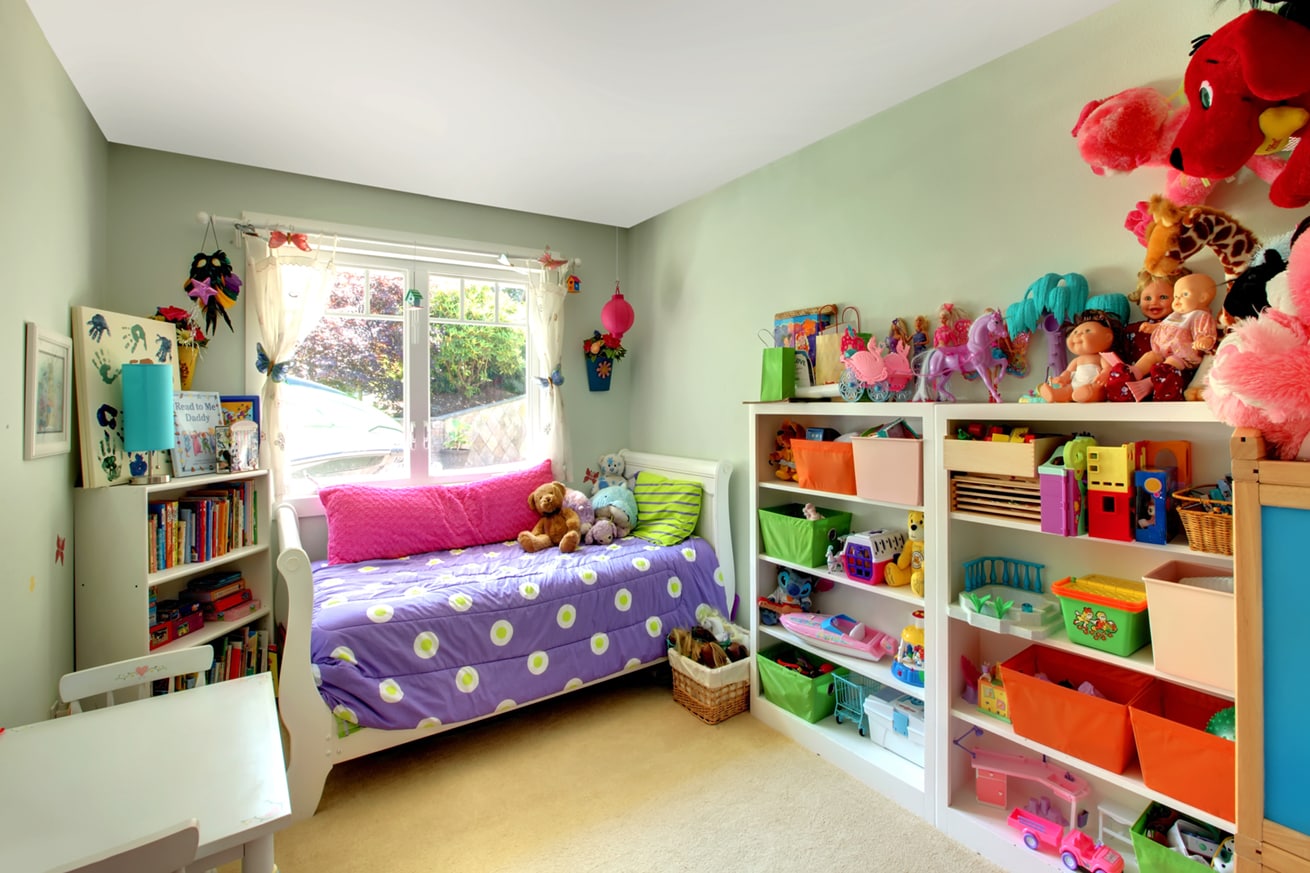
1. Create a Home for Everything
Assign a designated spot for each item in your home, and encourage your kids to put things back in their place. This helps maintain a clutter-free environment and teaches kids to respect belongings.
1. Establish Routines
Develop routines for regular tasks like homework, chores, and bedtime. Consistency helps kids stay on track and develop a sense of responsibility.
1. Teach Time Management
Introduce basic time management skills, such as prioritizing tasks, using calendars, and setting reminders. Encourage kids to break larger tasks into smaller, manageable chunks.
1. Encourage Goal-Setting
Help your kids set achievable goals, both short-term and long-term. Celebrate their successes and provide support when faced with challenges.
1. Practice Active Listening
Pay attention to your child’s unique needs and challenges. Listen actively and offer guidance without being too controlling.
1. Be Patient and Consistent
Developing organizational skills takes time and practice. Be patient with your child’s progress and consistently reinforce good habits.
By following these steps and adapting them to your child’s individual needs, you’ll help them develop essential organizational skills that will benefit them throughout their lives. Remember to stay patient, consistent, and supportive, and celebrate their growth and progress along the way!
 Tamara N. Jones Professional Organizer