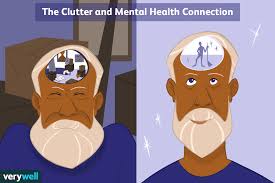
Are you tired of feeling overwhelmed, anxious, or stressed every time you enter your home or workspace? You’re not alone. Clutter, that pile of papers, clothes, or household items, can have a profound impact on our mental health. In this blog post, we’ll explore the intricate relationship between clutter and mental well-being.
The Psychological Effects of Clutter
Clutter can:
- Exacerbate anxiety and depression
- Decrease focus and productivity
- Disrupt sleep patterns
- Increase feelings of guilt and shame
- Create a sense of chaos and overwhelm
The Science Behind Clutter and Mental Health
Research suggests that clutter:
- Overloads our visual cortex, leading to mental fatigue
- Activates the brain’s stress response, releasing cortisol and adrenaline
- Distracts us from tasks and goals, decreasing motivation
- Affects our self-esteem and self-worth
Breaking Free from Clutter
- Start small: Begin with a single area or task
- Declutter regularly: Schedule regular decluttering sessions
- Organize intentionally: Create systems that work for you
- Practice self-compassion: Be kind to yourself throughout the process
- Seek support: Share your struggles with friends, family, or a professional
In Short
Clutter is more than just a physical issue; it’s a mental health concern. By understanding the connection between clutter and mental well-being, we can take the first steps towards a more organized, peaceful, and healthy life. Remember, every small step counts, and seeking help is a sign of strength. Break free from clutter and embrace the mental clarity you deserve!

